

Skip to content
Skip to content
Cerebral Physique logoCerebral PhysiqueMind Over Muscle
Stretching

Stretch smarter, not just longer.

Stretching is not the thing you do at the end if there's time. Done right — a little before, a little in every rest period, and properly after — it takes the burn out of your sets, keeps injuries rare, and makes every rep a full rep.

The method

When to stretch — and how hard.

The window you stretch in changes what the stretch should be. The same position that helps after a session can cost you force if you hold it right before a heavy set.

Before you train

5–8 minutes

Move through range. Do not hold.

Warm tissue moves better than cold tissue, but long static holds immediately before heavy work can briefly blunt force output and stability. Use controlled, active swings, circles and slow loaded ranges in the pattern you are about to train — 8–12 reps per movement, building range each rep.

Between sets

10–20 seconds per set break

Easy tension only — never a maximal stretch.

This is the habit that changes how a session feels: during the rest period, take the muscle you just worked into a gentle, comfortable stretch for 10–20 seconds, then shake it out and let the last 30–60 seconds of the rest be relaxed. It flushes the pumped, congested feeling, restores the range you just shortened, and lets the next set start from a clean position. Keep it light. A hard stretch inside a rest period reduces the force you have available for the next set and is the fastest route to a strain.

After you train

8–12 minutes

Long, calm, nasal-breathing holds.

Post-session is where real range is built. The tissue is warm, the work is done, and there is no set to protect. Hold 30–60 seconds per position, breathe slowly through the nose, and let the muscle lengthen on the exhale rather than forcing it with the joint.

Six rules that keep stretching safe

Stretch to tension, never to pain

The target sensation is a 4–6 out of 10 pull in the belly of the muscle. Sharp, pinching, burning, electric or joint-line pain means back off immediately — that is a joint or a nerve, not a muscle.

Breathe the range in

Hold the position and exhale slowly through the nose. Range increases as the nervous system down-regulates, not because you pulled harder. Holding your breath tightens the very tissue you are trying to open.

Never bounce a cold muscle

Ballistic bouncing into end range on cold tissue triggers a protective reflex and is a common cause of strains. Dynamic work is controlled and rhythmic, not jerky.

Don't out-stretch your strength

Range you cannot control under load is not useful — it is instability. Pair every new inch of range with strength work in that range (deep squats, full-range presses, slow eccentrics) so the joint stays protected.

Keep pre-lift holds short

Static holds longer than about 60 seconds right before a heavy set can temporarily reduce power and stability. Save the long holds for after the session or a rest day.

Respect the warning signs

Tingling, numbness, radiating pain down a limb, or a stretch that feels the same on one side but sharp on the other is a stop signal. So is stretching a fresh strain — acute injuries need load management and professional assessment, not aggressive stretching.

This library is educational and not medical advice. If you are recovering from an injury, are pregnant, or have a joint, disc or nerve condition, get clearance from a qualified clinician before adding aggressive range work.

What it actually does

The effects and benefits.

Less burn inside the set

A short, easy stretch during the rest period breaks up the congested, pumped, locked-down feeling in a worked muscle so the next set starts from a normal position instead of a shortened one.

Range you can actually use

Consistent stretching increases tolerated range at the joint. More range means deeper squats, a fuller press, a longer lat pull — and a full range rep builds more muscle than a short one.

Fewer strains

Most muscle strains happen at end range, under load, in a position the tissue rarely visits. Owning that end range regularly makes it a familiar position rather than an emergency.

Faster return to feeling normal

Gentle post-session stretching plus slow breathing helps you leave the session calm rather than wired, and reduces how stiff and guarded the area feels the next morning.

Better positions, better technique

Tight hips force a rounded squat. Tight lats force a flared rib cage overhead. Tight calves collapse the arch. Range at one joint quietly fixes technique at another.

A quieter nervous system

Long holds with slow nasal exhales shift you toward a parasympathetic state. That is the mind-over-muscle half of the work: the same attention that owns a rep owns a stretch.

By muscle group

Specific stretches for specific muscles.

51 stretches · 12 muscle groups
When
Muscle
Showing 51 of 51 stretches

Chest stretches

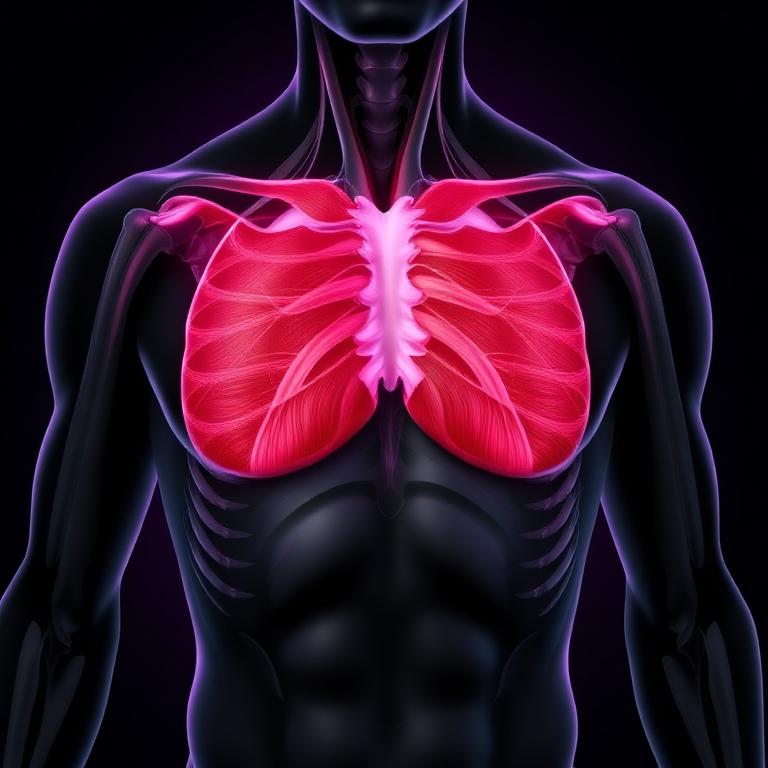
Pressing shortens the pec major and minor and rolls the shoulders forward. Chest stretching restores overhead position — but the shoulder joint is vulnerable at end range, so keep the elbow supported and never force depth.

Chest exercises →
Between setsAfterStatic

Doorway Pec Stretch

Pectoralis major, sternal fibers · 20–40s per arm

  1. 1Place the forearm flat on a doorframe with the elbow at shoulder height
  2. 2Step the same-side foot through the doorway
  3. 3Rotate the chest away from the arm until you feel a broad pull across the pec
  4. 4Keep the shoulder blade pulled back and down — do not let it round forward

Why it helps: Restores the horizontal range pressing takes away and opens the front of the shoulder.

If you feel a pinch in the front of the shoulder joint, lower the elbow below shoulder height.
AfterStatic

Low & High Doorway Variations

Clavicular (upper) and costal (lower) pec fibers · 30s per position

  1. 1Set the elbow below shoulder height to bias the upper chest fibers
  2. 2Set the elbow above shoulder height to bias the lower fibers
  3. 3Hold each height for 30 seconds, exhaling into the position

Why it helps: Covers the full fan of pec fibers, not just the middle.

The high-elbow version loads the shoulder capsule most — go lightest here.

BeforeDynamic

Cross-Body Arm Sweep

Pecs, front delts · 10–12 reps

  1. 1Stand tall and swing both arms wide open, then cross them in front of the chest
  2. 2Alternate which arm crosses on top
  3. 3Build the range gradually over the reps — controlled, never jerky

Why it helps: Warms the pressing pattern and raises tissue temperature without killing force output.

Keep the swing controlled; do not let momentum yank the shoulder past comfortable range.

AfterStatic

Prone Floor Pec Opener

Pec major, anterior shoulder · 40–60s per side

  1. 1Lie face down, one arm out to the side at 90°, palm down
  2. 2Roll gently onto that shoulder, using the opposite hand and foot for support
  3. 3Control the depth with how far you roll — small changes are large here

Why it helps: A very controllable deep pec stretch with no bodyweight hanging on the joint.

Roll slowly. This position can reach end range fast.

Between setsLoaded

Light Loaded Fly Stretch

Pec major under light tension · 10–15s

  1. 1Between chest sets, take a very light dumbbell in each hand lying on a bench
  2. 2Lower to a comfortable fly position and simply pause there
  3. 3Keep a soft elbow bend and the shoulder blades pinned to the bench

Why it helps: Loaded stretch under a light weight relieves the pump congestion and keeps the pattern grooved.

Very light only — under 20% of your working fly weight. Never do this to failure.

Back stretches

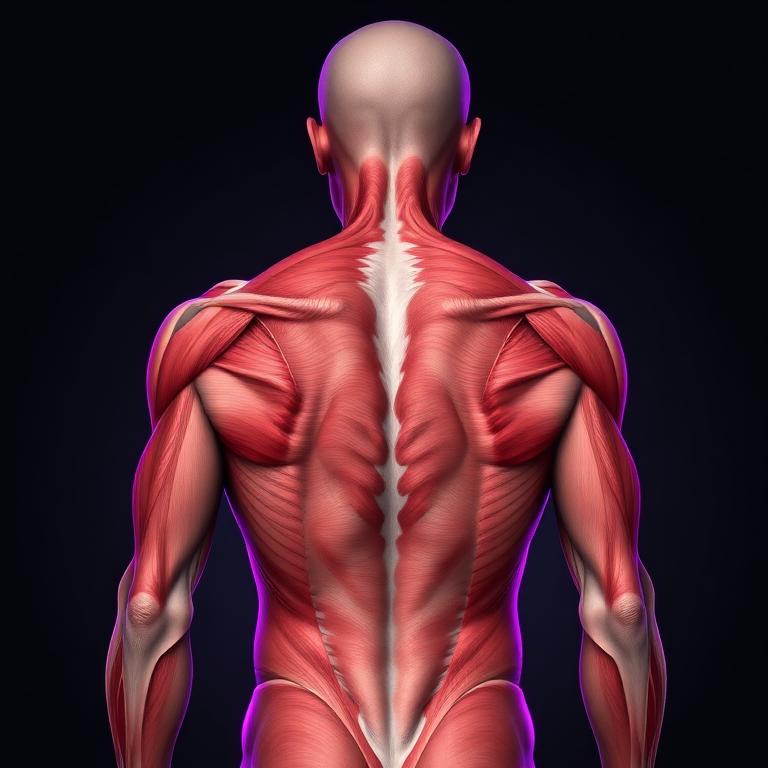
Lats cross both the shoulder and the spine, so tight lats limit overhead reach and pull the ribs forward. Keep spinal stretches gentle — the goal is length in the lats and thoracic spine, not repeated end-range flexion of the lower back.

Back exercises →
Between setsAfterStatic

Passive Bar Hang

Lats, teres major, thoracic spine · 20–40s

  1. 1Hang from a bar with a shoulder-width overhand grip
  2. 2Let the shoulders rise toward the ears and simply breathe
  3. 3Keep light tension in the core so the lower back does not sag into extension

Why it helps: Decompresses the shoulder and lengthens the lats through their full line of pull.

Skip if you have shoulder impingement pain in the hang. Build hang time gradually to protect the grip and elbows.

Between setsAfterStatic

Kneeling Bench Lat Stretch

Latissimus dorsi · 30–45s

  1. 1Kneel in front of a bench and place both elbows on it, thumbs up
  2. 2Sit the hips back toward the heels and let the chest sink toward the floor
  3. 3Exhale and allow the armpits to drop, keeping the lower back long, not arched

Why it helps: The cleanest lat stretch there is — big range with no load on the shoulder joint.

Stop the hips going back once the lower back starts to arch hard.

BeforeDynamic

Cat–Cow

Spinal erectors, thoracic spine · 10 slow reps

  1. 1On hands and knees, exhale and round the spine one segment at a time
  2. 2Inhale and reverse into a gentle arch, chest forward
  3. 3Move slowly — the goal is segmental control, not maximum shape

Why it helps: Warms the whole spine and wakes up the erectors before pulling or hinging.

Keep it pain-free and mid-range if you have any disc history.

BeforeBetween setsMobility

Seated Thoracic Rotation

Thoracic spine, rhomboids · 8 reps per side

  1. 1Sit tall, arms crossed over the chest
  2. 2Rotate the upper body one way, pause a beat, return through center
  3. 3Keep the hips square so the rotation comes from the ribs, not the pelvis

Why it helps: Restores rotation that heavy rowing and pressing quietly steal.

Rotate, don't crank. No forcing with the arms.

AfterStatic

Child's Pose With Side Reach

Lats, QL, spinal erectors · 45–60s per side

  1. 1From child's pose, walk both hands to one side
  2. 2Press the opposite hip back toward the heel to anchor the stretch
  3. 3Breathe into the ribs on the stretched side

Why it helps: Reaches the lat and the side of the trunk in one calm position.

Place a cushion behind the knees if the knee flexion is uncomfortable.

Shoulders stretches

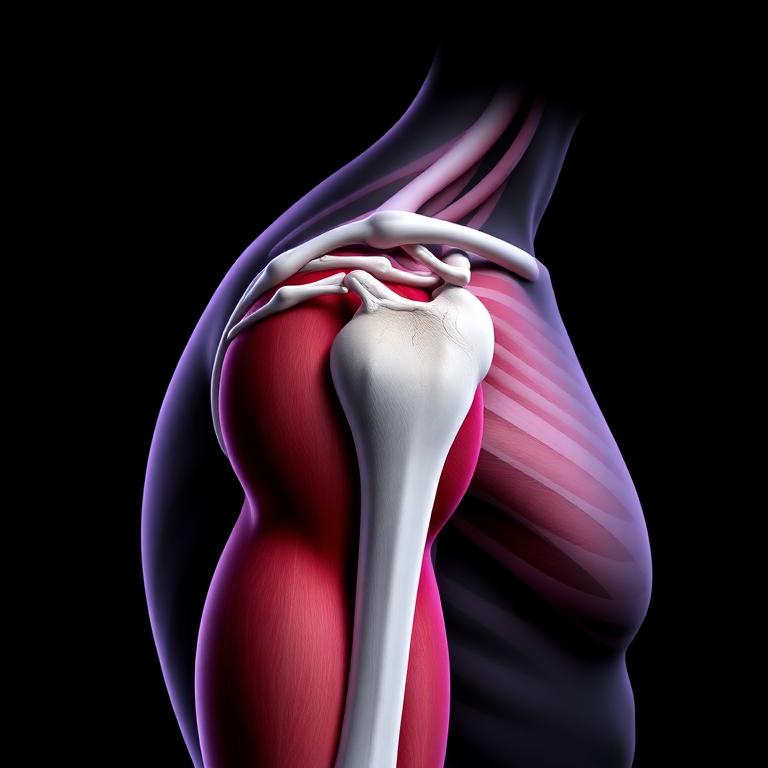
The shoulder is the most mobile and least stable joint you own. Every stretch here should feel like it is in the muscle, never inside the joint — and the sleeper stretch in particular is done gently or not at all.

Shoulders exercises →
BeforeMobility

Controlled Shoulder Circles (CARs)

Whole shoulder capsule, rotator cuff · 5 slow circles per direction

  1. 1Stand tall, brace the ribs down, and trace the largest slow circle you can with one arm
  2. 2Take 8–10 seconds per circle and keep the trunk still
  3. 3Reverse the direction

Why it helps: Warms and lubricates the joint through its full active range before pressing.

If a spot in the circle pinches, shrink the circle around it rather than pushing through.

Between setsAfterStatic

Cross-Body Rear Delt Stretch

Posterior deltoid · 20–30s per arm

  1. 1Bring one arm straight across the chest at shoulder height
  2. 2Pull it in with the opposite forearm — above the elbow, not on the joint
  3. 3Keep the shoulder pressed down, not shrugged toward the ear

Why it helps: The go-to rest-period stretch after lateral raises or rows.

Never pull on the elbow joint itself.

AfterStatic

Overhead Reach & Side Bend

Deltoid, lat, serratus · 30s per side

  1. 1Reach one arm overhead and take hold of the elbow with the other hand
  2. 2Bend gently to the opposite side, keeping the ribs from flaring
  3. 3Breathe wide into the stretched ribs

Why it helps: Opens the whole overhead line — shoulder, lat and side of the trunk.

Keep the bend small; this is a rib stretch, not a lumbar bend.

BeforeDynamic

Band Pass-Throughs

Anterior shoulder, pecs · 8–10 reps

  1. 1Hold a light band wide, arms straight
  2. 2Slowly take the band from in front of the hips, overhead, and behind the body
  3. 3Start wide and only narrow the grip if it stays comfortable

Why it helps: Rehearses full overhead range under a tiny, controllable load.

Wide grip always. A narrow grip forces the joint and is a common source of front-shoulder pain.

AfterStatic

Gentle Sleeper Stretch

Posterior capsule, internal rotation range · 20–30s per side

  1. 1Lie on one side, that arm out in front at 90°, elbow bent, forearm pointing up
  2. 2Use the top hand to gently press the forearm toward the floor
  3. 3Stop at the very first sense of tension

Why it helps: Restores internal rotation that heavy pressing tends to limit.

This one is easily overdone. Light pressure only, and skip it entirely with any current shoulder pain.

Biceps stretches

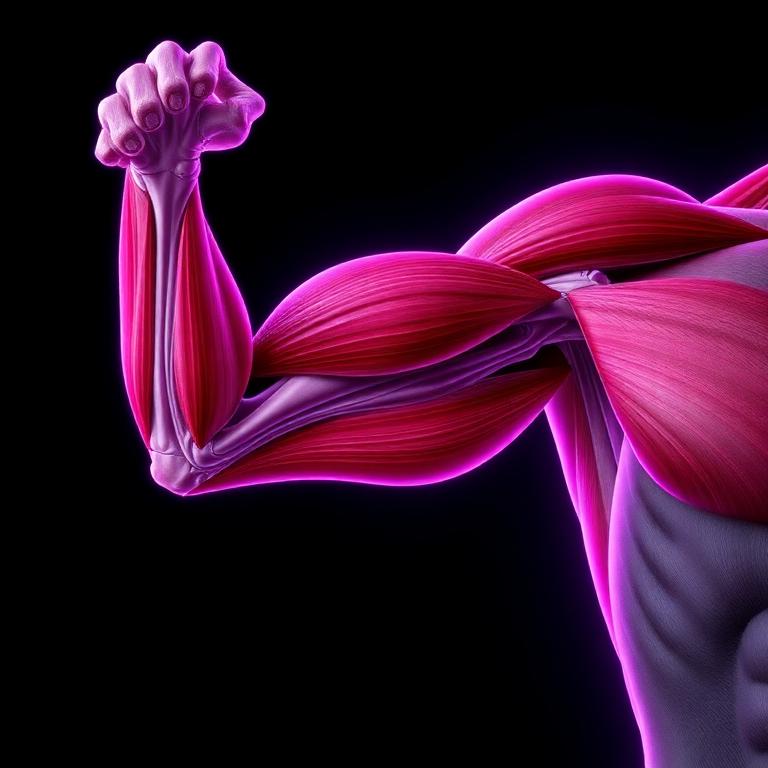
The biceps crosses the elbow and the shoulder, so the real stretch happens with the arm behind the body and the elbow straight. Because the long-head tendon at the front of the shoulder is exposed here, always ease in slowly.

Biceps exercises →
Between setsAfterStatic

Wall Biceps Stretch

Biceps brachii, long head · 20–30s per arm

  1. 1Place the palm flat on a wall behind you at roughly shoulder height, arm straight
  2. 2Slowly rotate the body away from the hand
  3. 3Keep the shoulder down and the elbow soft, not locked hard

Why it helps: Relieves the shortened, pumped feeling after curls and restores elbow extension.

Sharp pain at the front of the shoulder means back off — that is tendon, not muscle.

AfterStatic

Behind-the-Back Clasp

Biceps, anterior delts, chest · 30s

  1. 1Clasp the hands behind the back with the palms together, arms straight
  2. 2Lift the hands away from the body while keeping the chest tall
  3. 3Roll the shoulders back rather than shrugging them up

Why it helps: Opens the whole front of the arm and chest after a pull session.

Use a strap between the hands if you cannot clasp comfortably.

BeforeDynamic

Supinated Arm Swings

Biceps, elbow flexors · 10–12 reps

  1. 1Let the arms hang with palms facing forward
  2. 2Swing them gently back and forth, letting the elbow fully straighten each rep
  3. 3Increase range gradually

Why it helps: Warms the elbow and biceps tendon before loaded curling.

Stop if there is any pinpoint elbow-crease pain.

Between setsLoaded

Incline Bench Arm Hang

Biceps in the lengthened position · 10–15s

  1. 1Sit on a steep incline bench, arms hanging straight down behind the torso
  2. 2Hold a very light dumbbell and simply let the arm hang fully extended
  3. 3Relax the biceps completely and breathe

Why it helps: A gentle loaded stretch between curl sets that reduces the burn and keeps range at the elbow.

Very light load. This is not a set — it is a rest-period reset.

Triceps stretches

The long head of the triceps crosses the shoulder, so it only truly lengthens with the elbow bent and the arm overhead. Keep the ribs down so the range comes from the shoulder rather than the lower back.

Triceps exercises →
Between setsAfterStatic

Overhead Triceps Stretch

Triceps long head · 20–30s per arm

  1. 1Reach one hand down the middle of your back, elbow pointing up
  2. 2Use the opposite hand to gently guide the elbow further back
  3. 3Keep the ribs pulled down — do not arch the lower back to fake range

Why it helps: The single most effective triceps stretch, and an ideal 15-second rest-period reset between pressing sets.

Pull on the elbow gently; never wrench it.

AfterStatic

Towel-Assisted Triceps Stretch

Triceps, posterior shoulder · 30s per side

  1. 1Drop a towel down your back from the overhead hand
  2. 2Grab the low end with the opposite hand behind the lower back
  3. 3Apply a light downward pull with the low hand

Why it helps: Lets you dial the intensity precisely and reaches the shoulder rotation component too.

Pull in small increments — a towel makes it easy to overdo.

Between setsStatic

Wall Elbow Lean

Triceps long head · 15s per side

  1. 1Set the elbow on a wall or rack upright at head height
  2. 2Let the hand fall behind the shoulder and lean the chest forward slightly
  3. 3Stay tall through the ribs

Why it helps: Fast and hands-free — easy to slot into a short rest between dips or extensions.

Lean in slowly; the elbow is fixed, so small movements create big range.

BeforeDynamic

Bent-Arm Overhead Reaches

Triceps, shoulder · 10 reps per arm

  1. 1Reach one bent arm overhead and behind, then return to the side
  2. 2Move rhythmically, adding a little range each rep

Why it helps: Warms the elbow and overhead position before pressing.

Keep it controlled; no bouncing at the top.

Forearms stretches

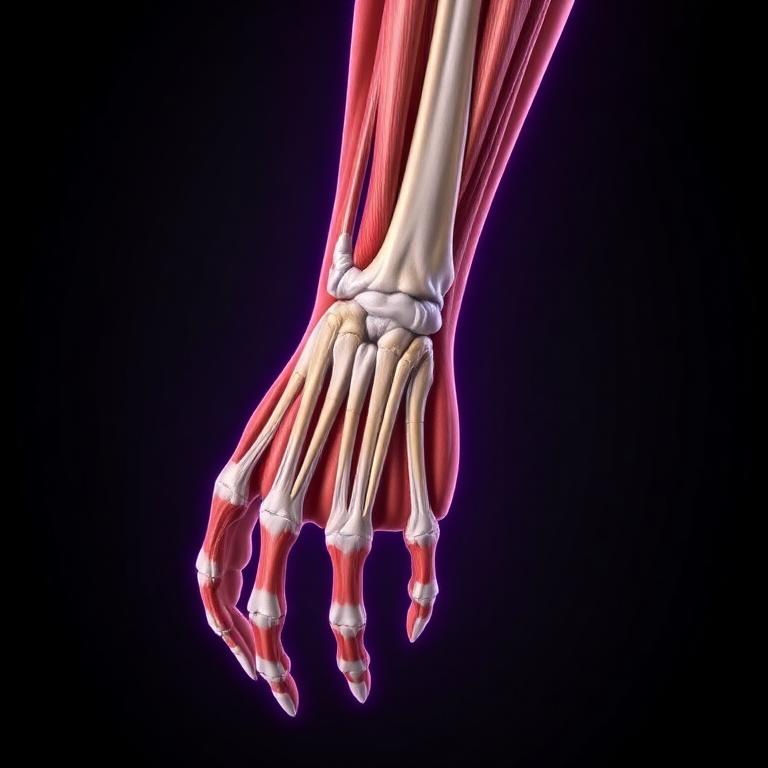
Grip work, deadlifts and heavy curls load the forearm flexors and extensors hard, and this is the area where tendon pain (golfer's and tennis elbow) shows up. Stretch these often, and always with the elbow straight but not locked.

Forearms exercises →
Between setsAfterStatic

Wrist Flexor Stretch

Wrist flexors, inner forearm · 20–30s per arm

  1. 1Extend one arm forward, palm up
  2. 2Use the other hand to gently pull the fingers back and down
  3. 3Keep the elbow straight but not locked hard

Why it helps: Relieves grip-work tension and helps protect the inner elbow tendon.

Any tingling into the hand means you are on a nerve — reduce the range.

Between setsAfterStatic

Wrist Extensor Stretch

Wrist extensors, outer forearm · 20–30s per arm

  1. 1Extend one arm forward, palm down
  2. 2Gently press the back of the hand down and toward the body
  3. 3Keep the shoulder relaxed

Why it helps: The counterpart to the flexor stretch, and useful for outer-elbow soreness.

Very light pressure if you already have tennis-elbow symptoms.

AfterStatic

Prayer & Reverse Prayer

Wrist flexors and extensors together · 30s each

  1. 1Press the palms together in front of the chest and lower the hands while keeping the palms touching
  2. 2Then reverse: back of the hands together, fingers pointing down, and raise the hands

Why it helps: Covers both sides of the forearm in two symmetrical positions.

Stop before the wrist joint itself starts to ache.

BeforeDynamic

Quadruped Wrist Rocks

Wrists, forearm fascia · 10 rocks per position

  1. 1On hands and knees, palms down and fingers forward, rock the weight gently forward and back
  2. 2Repeat with the fingers turned out, then with the fingers pointing back toward the knees

Why it helps: Prepares the wrists for push-ups, dips and front-rack positions.

Distribute weight through the whole hand, not just the heel of the palm.

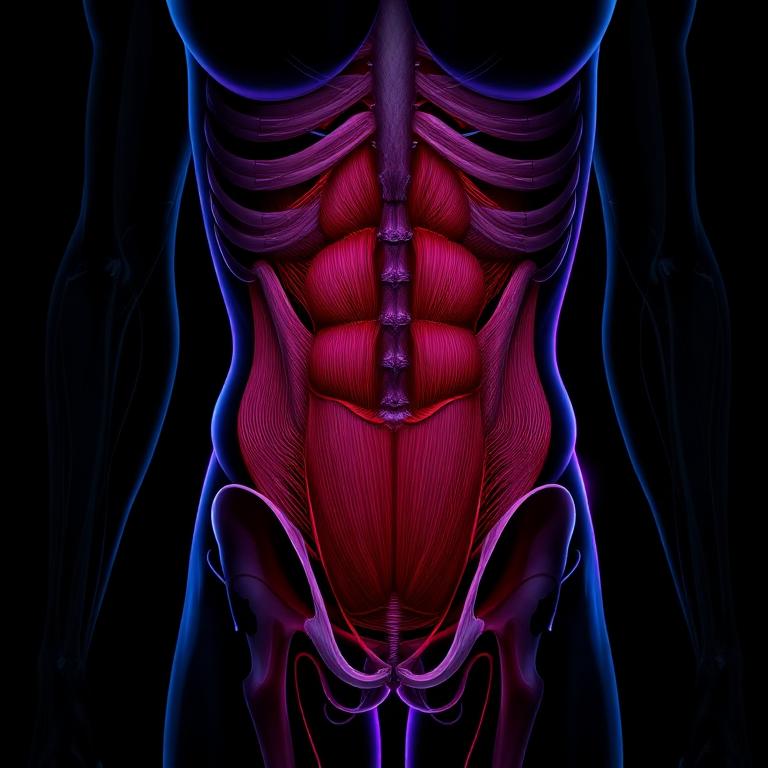
Core & Abs stretches

The abdominals lengthen in extension, which also loads the lower back — so these stretches stay gentle and supported. Extension work is a light opener, not a competition.

Core & Abs exercises →
AfterStatic

Supported Cobra

Rectus abdominis, hip flexors · 20–30s

  1. 1Lie face down, hands under the shoulders
  2. 2Press up only until you feel a gentle stretch across the abdomen
  3. 3Keep the hips on the floor and the glutes lightly engaged

Why it helps: Reverses the flexion of crunch work and opens the front of the trunk.

Stay at forearm height if full extension causes lower-back pinching. Skip with disc irritation.

Between setsAfterStatic

Standing Side Bend

Obliques, QL · 20s per side

  1. 1Stand tall, one arm reaching overhead
  2. 2Bend sideways from the ribs, keeping the hips level and facing forward
  3. 3Breathe into the stretched side

Why it helps: Opens the obliques and the side of the trunk after rotational or carry work.

Do not let the trunk rotate — the bend is purely lateral.

AfterStatic

Supine Spinal Twist

Obliques, glutes, lower back · 45s per side

  1. 1Lie on your back, arms out in a T
  2. 2Drop both bent knees to one side and turn the head the other way
  3. 3Let gravity do the work; relax completely

Why it helps: A calm decompressing finisher for the trunk and lower back.

Support the knees on a cushion if the twist feels forced.

BeforeDynamic

Dead-Bug Reach

Deep core, hip flexors · 8 reps per side

  1. 1Lie on your back, arms up, knees over hips
  2. 2Slowly lower the opposite arm and leg while keeping the lower back flat
  3. 3Return under control

Why it helps: Wakes up the bracing pattern that protects the spine under load.

If the lower back lifts off the floor, shorten the reach.

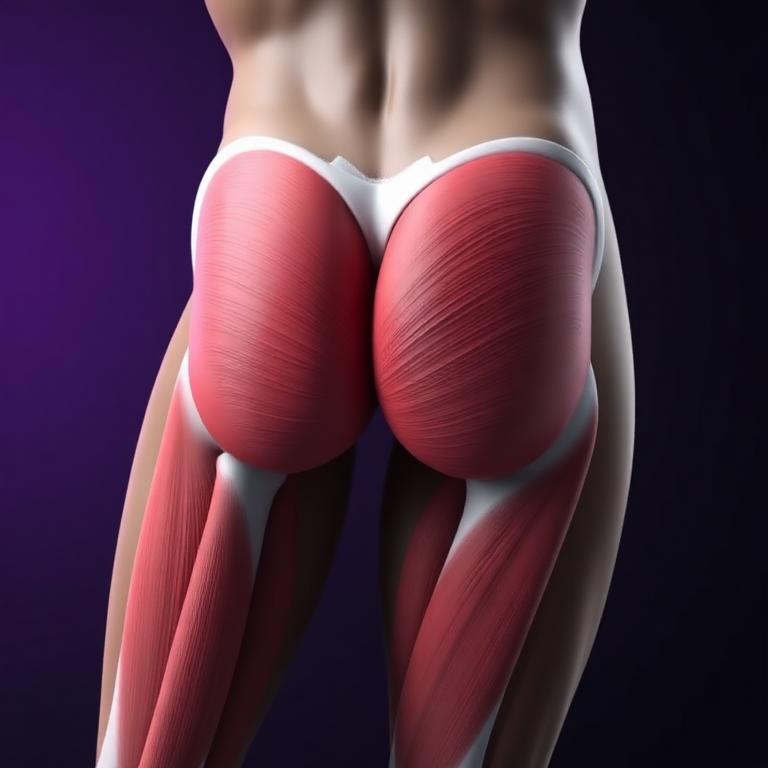
Glutes stretches

The glutes and deep hip rotators sit right beside the sciatic nerve, so stretch them with a broad, dull pull in the muscle — never a sharp line down the leg.

Glutes exercises →
Between setsAfterStatic

Figure-Four Stretch

Glute max, piriformis · 30–45s per side

  1. 1Lie on your back, cross one ankle over the opposite knee
  2. 2Pull the supporting thigh toward the chest
  3. 3Keep the crossed knee pushing gently outward and the head relaxed on the floor

Why it helps: The most reliable, joint-friendly glute stretch — perfect between squat or thrust sets.

Stop if you feel anything sharp or electric down the back of the leg.

AfterStatic

Supported Pigeon

Glute max, deep external rotators · 45–60s per side

  1. 1Bring one shin forward across the body, back leg extended behind
  2. 2Keep the hips square and place a cushion under the front hip for support
  3. 3Fold forward only as far as the hips allow with a long spine

Why it helps: A deep hip opener that unlocks squat depth over time.

Any front-knee pain means back out immediately — use the figure-four instead.

Between setsStatic

Seated Cross-Leg Glute Stretch

Glute max · 15–20s per side

  1. 1Sit on a bench and cross one ankle over the opposite knee
  2. 2Sit tall and hinge forward from the hips

Why it helps: A fast rest-period version you can do on the bench without lying down.

Hinge from the hip, not by rounding the lower back.

BeforeDynamic

Hip Circles (Standing)

Glutes, hip capsule · 8 circles per direction, per leg

  1. 1Hold a rack for balance and lift one knee to hip height
  2. 2Trace a slow circle with the knee, out and around
  3. 3Keep the standing leg tall and the trunk quiet

Why it helps: Warms the hip through the range squats and hinges demand.

Keep the circle inside pain-free range.

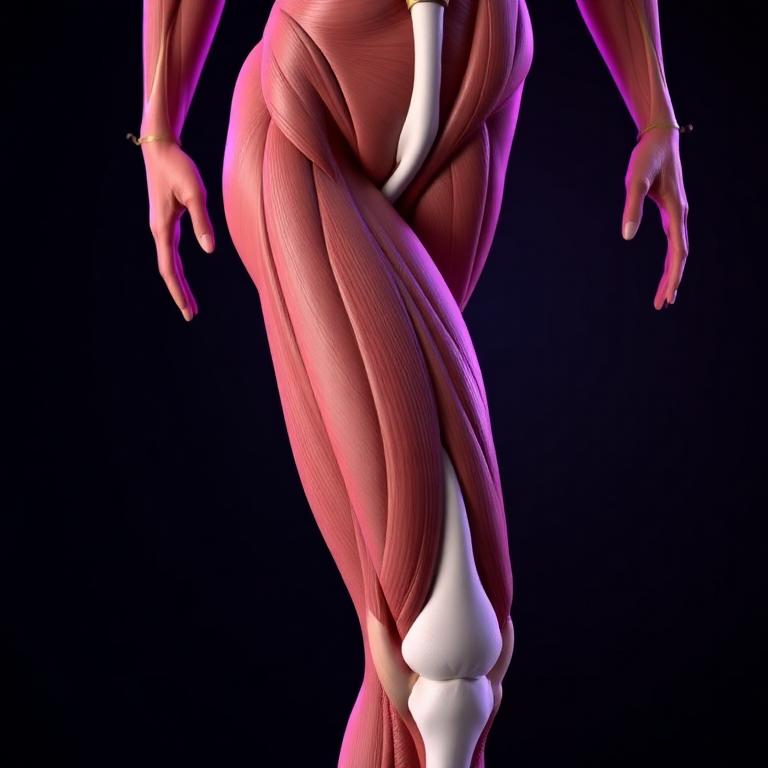
Quads stretches

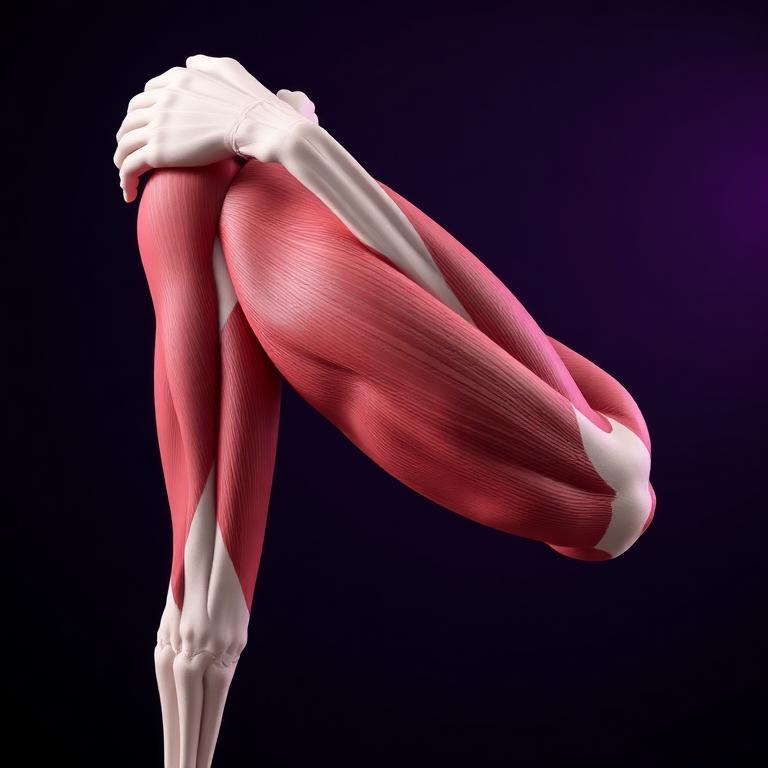
The rectus femoris crosses both the hip and the knee, so a real quad stretch needs the hip extended, not just the knee bent. Protect the knee by keeping the pull gentle and driving the hip forward with the glute.

Quads exercises →
Between setsAfterStatic

Standing Quad Stretch

Quadriceps, hip flexors · 20–30s per leg

  1. 1Hold one ankle behind you, knees together
  2. 2Squeeze the glute on that side to push the hip forward
  3. 3Stay tall — do not let the lower back arch

Why it helps: The quickest way to unload congested quads between squat or leg-press sets.

Pull on the ankle, not the toes, and stop at any knee-cap pain.

AfterStatic

Couch Stretch

Rectus femoris, hip flexors · 45–60s per side

  1. 1Place the back foot up on a bench or wall with the knee on a pad
  2. 2Front foot flat in a half-kneeling position
  3. 3Squeeze the back glute and tuck the pelvis under before rising up tall

Why it helps: The most complete quad and hip-flexor stretch — directly improves squat depth and posture.

Intense by design. Start with the knee further from the wall, and always pad the knee.

BeforeDynamic

Walking Quad Pulls

Quads, hip flexors · 8 per leg

  1. 1Walk forward, pulling each heel to the glute for one beat before stepping through
  2. 2Stay tall and squeeze the glute of the stretched leg

Why it helps: Prepares the knee and hip without the force loss of a long static hold.

Hold a wall if balance is a problem.

Between setsAfterStatic

Half-Kneeling Hip Flexor Stretch

Psoas, rectus femoris · 30s per side

  1. 1Half-kneel with the back knee padded
  2. 2Tuck the pelvis under and squeeze the back glute
  3. 3Shift forward only an inch or two — the tuck creates most of the stretch

Why it helps: Undoes hours of sitting and lets the glutes fire properly in the next set.

If you feel it in the lower back, you are arching instead of tucking.

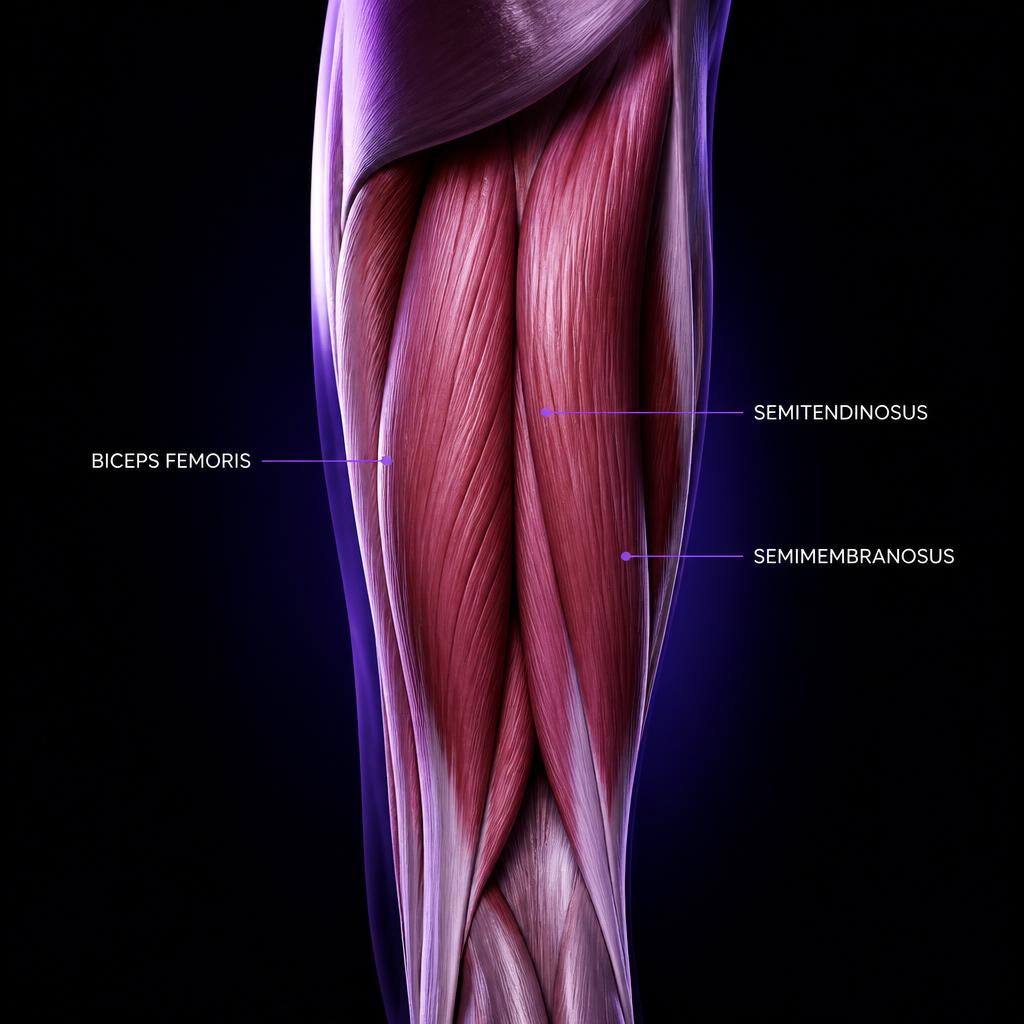
Hamstrings stretches

Hamstring stretching goes wrong when the lower back does the work. Hinge from the hip with a long spine, keep a soft knee, and never round and bounce toward the toes.

Hamstrings exercises →
AfterStatic

Supine Strap Hamstring Stretch

Hamstrings · 45s per leg

  1. 1Lie on your back with a strap or towel around one foot
  2. 2Raise that leg with a very slight knee bend until you feel tension
  3. 3Keep the other leg flat and the lower back neutral

Why it helps: The safest deep hamstring stretch — the floor keeps your spine out of the equation.

Tingling down the calf means nerve tension, not muscle. Bend the knee more and reduce range.

Between setsStatic

Elevated Heel Hinge Stretch

Hamstrings, upper calf · 15–20s per leg

  1. 1Place one heel on a low box, toes up, knee soft
  2. 2Hinge forward from the hip with a flat back until you feel the pull

Why it helps: A quick rest-period stretch that keeps the hamstrings from locking up between RDLs or curls.

Keep the spine long. If the back rounds, lower the box.

BeforeDynamic

Front-to-Back Leg Swings

Hamstrings, hip flexors · 10–12 per leg

  1. 1Hold a rack and swing one leg forward and back
  2. 2Start small and build the arc over the reps
  3. 3Keep the trunk upright and quiet

Why it helps: Raises hamstring temperature and range before hinging or sprinting.

Controlled swings only — no ballistic snapping at the top.

AfterStatic

Seated Hip-Hinge Fold

Hamstrings, adductors · 45–60s

  1. 1Sit tall on the edge of a cushion with legs extended
  2. 2Hinge forward from the hips leading with the chest, keeping the spine long
  3. 3Stop where the spine wants to round

Why it helps: Builds tolerated hamstring length across both legs at once.

Never bounce, and never round hard toward the toes.

Calves stretches

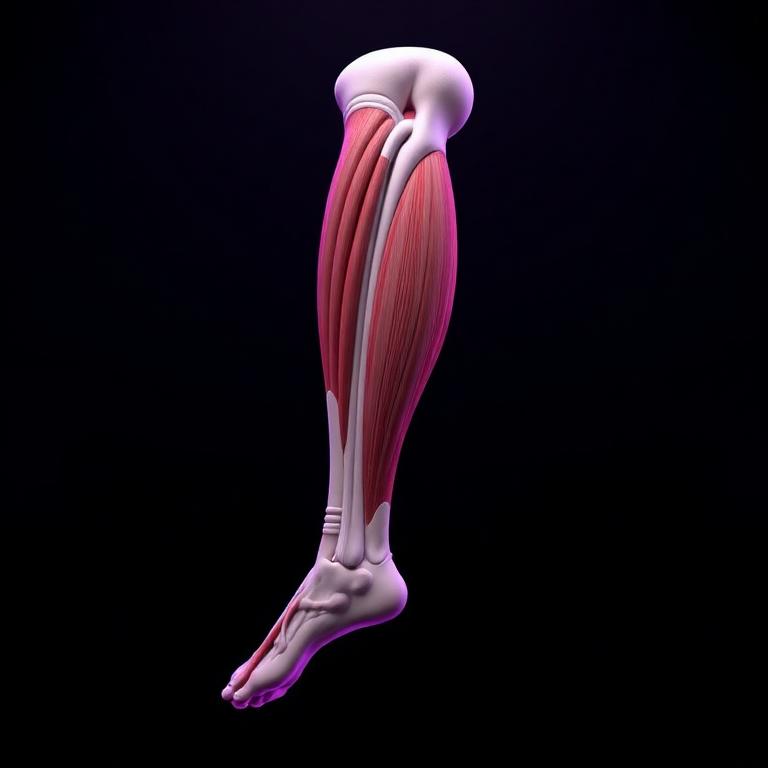
Gastrocnemius crosses the knee; soleus does not. That is why you need both a straight-leg and a bent-knee version. Calf range directly controls squat depth and ankle health.

Calves exercises →
Between setsAfterStatic

Straight-Leg Wall Calf Stretch

Gastrocnemius · 30s per leg

  1. 1Press both hands on a wall, one leg back with the knee straight
  2. 2Keep the back heel down and the toes pointing straight ahead
  3. 3Shift the hips forward until you feel the pull in the upper calf

Why it helps: Restores ankle range that heavy standing work shortens.

Do not let the back foot roll outward — that shifts load to the ankle ligaments.

AfterStatic

Bent-Knee Soleus Stretch

Soleus, Achilles · 30s per leg

  1. 1Same wall position, but bend the back knee while keeping the heel down
  2. 2Sink straight down rather than pushing forward

Why it helps: Reaches the soleus, which the straight-leg version misses — key for squat depth.

Ease in if you have any Achilles tenderness.

Between setsLoaded

Loaded Step Stretch

Gastrocnemius, Achilles · 15–20s

  1. 1Stand with the balls of the feet on a step, no added weight
  2. 2Let the heels drop below the step and simply hang there
  3. 3Hold the rail and keep the knees straight

Why it helps: A perfect rest-period reset between calf raises — takes the burn out and keeps full range.

Bodyweight only between sets. Drop slowly; never bounce at the bottom.

BeforeDynamic

Ankle Rocks

Ankle joint, calves · 10 per side

  1. 1Half-kneel with the front foot flat
  2. 2Drive the front knee forward over the toes and back, heel glued down

Why it helps: The fastest way to unlock ankle range before squatting.

Any pinch at the front of the ankle means stay shallower.

Full Body stretches

Sequences that cover multiple regions at once — ideal as a general warm-up before a full-body session or as a complete cool-down.

Full Body exercises →
BeforeDynamic

World's Greatest Stretch

Hips, hamstrings, thoracic spine, groin · 5 per side

  1. 1Step into a deep lunge, both hands inside the front foot
  2. 2Drop the back knee slightly, then rotate the inside arm up to the ceiling
  3. 3Return, push the hips back to straighten the front leg, then step through

Why it helps: One movement covering nearly every restriction that limits lifting positions.

Pad the back knee and move slowly through the rotation.

BeforeAfterDynamic

Downward Dog With Heel Pedal

Calves, hamstrings, lats, shoulders · 30–60s

  1. 1From a push-up position, push the hips up and back into an inverted V
  2. 2Alternate pressing each heel toward the floor
  3. 3Push the floor away to lengthen through the lats

Why it helps: Warms the whole posterior chain and overhead position in one shot.

Bend the knees generously — keeping a long spine matters more than straight legs.

BeforeAfterStatic

Deep Squat Hold

Hips, adductors, ankles, lower back · 45–60s

  1. 1Sink into the deepest comfortable squat, heels down
  2. 2Use the elbows to gently press the knees out
  3. 3Breathe slowly and let the hips settle lower on each exhale

Why it helps: Restores the position the human hip is built for and improves squat depth quickly.

Hold a rack or elevate the heels if you cannot keep the heels down.

AfterStatic

Supine Breathing Reset

Diaphragm, nervous system · 2–3 minutes

  1. 1Lie on your back, knees bent, feet flat, one hand on the ribs
  2. 2Inhale through the nose for four counts, exhale for six to eight
  3. 3Let the exhale be longer than the inhale

Why it helps: Shifts you out of fight-or-flight so recovery starts the moment the session ends.

None — but do not skip it. This is where mind over muscle is trained.